Bungee straps are an incredibly versatile tool, used for everything from securing cargo and luggage, to organising household items and even assisting in outdoor adventures.
However, to get the most out of them, it’s important to know how to use bungee straps, adjust them properly, and remove them safely.
Whether you’re a first-time user or looking to refine your technique, this guide will help you maximise the benefits of bungee straps. We’ll walk you through everything you need to know to use bungee straps – from the different types available, to step-by-step instructions on how to secure and remove them effectively.
What is a bungee strap?
A bungee strap is a type of bungee assembly. They are a stretchable cord, usually made of elasticated material with a fabric or rubber coating, featuring hooks or clips on both ends for easy attachment.
Bungee straps are commonly used for tying down cargo, bundling items, and providing tension in various applications such as camping, biking, and transportation.
Types of bungee straps
Bungee straps can come in all shapes and sizes, suitable for a variety of different needs and applications. Below are the four different types of bungee straps you should be familiar with:
1. Flat bungee straps
When we talk about bungee straps in this blog post, we’re talking about the most universally used type – flat bungee straps.
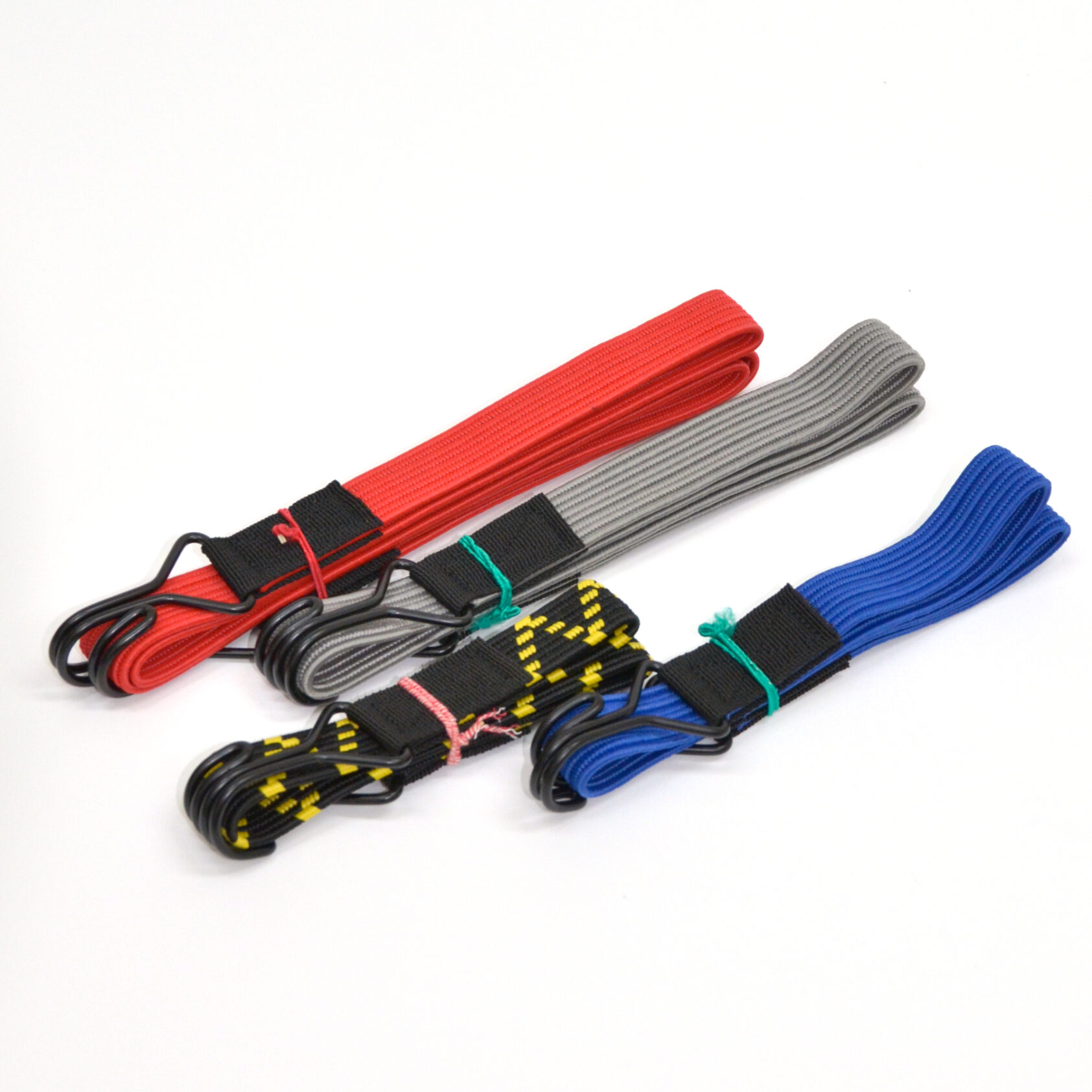
Flat bungee straps are designed with a wider, flat elastic band instead of a round cord and feature rounded flat bungee hooks on either end. The flat shape of both the strap and hooks distributes pressure more evenly, making them ideal for securing delicate or large items without causing damage.
Our flat bungee straps come in a 22mm diameter, and are available in a range of colours, lengths and pack sizes. They are also tested to support 800N (80kgF approx) before breakage.
2. Bungee cords with hooks
Whilst not technically a traditional “bungee strap”, bungee cords with hooks tend to be another common type of bungee strap. These are made with a rounded bungee cord and come with metal bungee hooks or plastic bungee hooks on both ends, for easy attachment.
Check out our blog post on 13 ways you can use bungee cords with hooks, for ideas on how you can incorporate these, from wrapping gifts to making a DIY hammock.
3. Adjustable bungee straps
Looking for an even more versatile type of bungee strap? An adjustable bungee strap may be exactly what you need.
Adjustable bungee straps feature sliding hooks or clips that can be moved along the cord to adjust the length. They can provide more flexibility, compared to standard bungee cords, allowing for a custom fit based on the required tension.
4. Heavy duty bungee straps
Do you need to secure much weightier items, such as large cargo, construction materials or marine equipment? You’ll require a heavy duty bungee strap.
Heavy duty bungee straps are made from thicker, more durable elastic material to handle extreme tension and heavier loads. They are also often reinforced with stronger hooks or carabiners for added security.
Common uses for bungee straps
Bungee straps offer endless possibilities for securing loads, bundling items together, and organising objects. Below are some of the most common ways you can use them in your everyday life:
1. Securing cargo and luggage
Bungee straps are widely used for keeping cargo and luggage secure during transportation.
Whether you’re loading a van, tying items on a roof rack, or fastening suitcases into a car boot, bungee straps provide a flexible and reliable way to prevent shifting. They help keep everything in place, reducing the risk of damage whilst driving.
2. Camping and outdoor activities
When spending time outdoors, bungee straps can be incredibly useful.
Campers often add bungee straps to their camping backpacks, for support in tying down tents, tarps, and canopies, ensuring they remain stable in windy conditions. They are also great for bundling sleeping bags, securing hiking gear, or keeping fishing rods together.
3. Cycling and motorbiking
Cyclists and bikers often use bungee straps to attach extra cargo to their bikes.
Whether securing a backpack, a helmet, or a small parcel, bungee straps are safe for motorcyclists and cyclists alike, providing a simple way to keep items stable whilst riding. They are particularly useful for delivery riders who need a quick and adjustable securing solution.
4. Home organisation and storage
At home, bungee straps help with organising and storing various household items.
They can be used to bundle tools, extension cords, or garden hoses, preventing tangles and clutter. Additionally, they can be used to store your garden tools, or to stop garden furniture blowing away in the wind.
5. Sports and fitness
In sports and fitness settings, bungee straps serve multiple purposes.
Some people use them to hold mats, paddles, or gym equipment together for easy transport. Others even incorporate them into resistance training – also known as bungee fitness – as the elasticity provides a unique form of tension for exercises like stretching and strength training.
6. DIY and construction
In construction and DIY projects, bungee straps can play a crucial role in securing materials.
They are commonly used to hold tarps over building supplies, preventing them from getting wet or dirty. Additionally, bungee straps can be the perfect addition to your toolkit essentials, helping stabilise ladders, bundle pipes, or temporarily fasten items during a project, providing convenience and safety on-site.
7. Emergency situations
Bungee straps can be life-saving tools in emergency situations.
They can be used as makeshift tourniquets or splints in first-aid scenarios. In survival situations, they serve as temporary clotheslines, shelter fasteners, or even traps. Their versatility makes them a valuable addition to any emergency kit.
Read our guide on bungee cord survival hacks, for ideas on how these incredible cords could help when you may need it most.
8. Pet and animal care
For pet owners, bungee straps provide a practical way to secure pet carriers and crates in vehicles, ensuring pets travel safely.
They can also be used to reinforce temporary fencing, keeping animals contained in a specific area. Their flexibility and strength also make them a useful tool for managing pets, such as pet leads or reigns.
9. Event and party setup
When setting up events or parties, bungee straps help keep decorations in place.
They are great for securing banners, tying down tablecloths, or holding string lights in position. For outdoor events, they prevent lightweight items from being blown away by the wind, making them a reliable tool for event organisers.
How to set up a bungee strap
Want to learn how to set up a bungee strap? Follow our simple step-by-step guide:
Step 1: Choose the right bungee strap
First, select a strap that matches the required length, strength, and type for your task. Ensure the bungee strap is in good condition with no fraying or damaged hooks.
Step 2: Position the objects to be secured
Once you have your chosen bungee strap to hand, arrange the items so they are stable before applying tension. If you’re bundling objects, stack or align them properly to avoid shifting.
Step 3: Attach one end of the bungee strap
After your items are positioned, hook or clip one end of the strap onto a secure anchor point (e.g. a frame, handle, or hook). Make sure the anchor point is strong enough to handle the tension without breaking or bending.
Step 4: Stretch the strap to the other anchor point
With one end secure, pull the strap across the load or around the object, whilst maintaining firm but controlled tension. Avoid overstretching the bungee strap, as this could damage the strap or cause it to snap back.
Step 5: Secure the other end
Then, hook or clip the opposite end onto another strong anchor point. Double-check that the strap is tightly secured and that the hooks are properly latched.
Step 6: Test the setup
Finally, once the bungee strap is attached, gently shake or move the secured load to ensure the strap holds everything in place. Adjust as needed for a tighter or more secure fit.
How to loosen bungee straps
It’s all well and good knowing how to set up and use a bungee strap, but do you know how to loosen them once done? Fear not, we’ll tell you how:
Step 1: Assess the tension
Before handling the strap, check how tightly it is stretched. If it is under high tension, proceed with extra caution to avoid sudden snapbacks.
Step 2: Hold the strap firmly
When ready, use one hand to keep a steady grip on the strap whilst you release the hook with the other. If possible, we recommend wearing a pair of gloves to improve grip and protect your hands.
Step 3: Release one end first
Once you have a firm grip on the bungee strap, start by unhooking or unclipping one end from its anchor point. Make sure to slowly reduce the tension, instead of letting the bungee strap snap back.
Step 4: Unhook the other end
Then, when the first end is free, carefully detach the second hook. If the strap is wrapped around an object, gently unwind it whilst keeping control of the tension.
Step 5: Store the strap properly
After loosening and removing, coil the strap neatly to prevent tangling. We suggest storing it in a dry place away, from direct sunlight, to extend its lifespan.
Read our guide on how to store and organise bungee cords for our best advice.
10 safety tips for using bungee straps
Bungee straps are incredibly useful for securing loads, but improper use can lead to accidents or damage. Follow these essential safety tips to ensure you use them correctly and minimise the risk of injury or breakage:
1. Inspect before use
Before using any type of bungee cord or strap, first check for any signs of damage. Avoid using straps with cracked or rusted hooks, or overstretched, frayed or worn elastic.
2. Use the right strap for the job
Not all bungee straps are made equal, and you may require different ones for different applications. Make sure to choose a strap with the correct length, strength, and type for your task.
3. Secure hooks properly
Ensure to follow the step-by-step guide above to secure your bungee strap securely to both your objects and anchor points.
4. Avoid overstretching
Do not stretch the bungee strap beyond 50-100% of its original length. Overstretching can weaken the elastic and cause it to snap.
5. Keep the strap away from your face and body
When using a bungee strap, stand to the side when securing or releasing the strap. A snapped or loose strap can recoil and could cause serious injury.
6. Release tension carefully
When you remove a bungee strap, unhook one end at a time whilst holding the strap firmly. Avoid letting the strap snap back uncontrolled, as this could damage yourself or the objects you were securing.
7. Store properly
Make sure to keep your straps in a dry, cool place away from direct sunlight. Whilst our bungee straps are made with a UV-resistant polypropylene yarn, UV exposure can still weaken the elastic over time.
8. Avoid using near sharp edges
Sharp objects or rough surfaces can cut or weaken the bungee strap. If necessary, we recommend using protective padding underneath the strap.
9. Do not exceed weight limits
It’s important to follow the manufacturer’s weight and tension guidelines, as overloading can cause the straps to break unexpectedly. Our bungee straps are tested to support up to 800N (80kgF approx) before breakage.
10. Wear eye and hand protection
When working with high-tension bungee straps, wearing protection can help to prevent injuries. We recommend wearing safety goggles to prevent eye injuries, and gloves to protect your hands.
At The Bungee Store, we know a thing or two about all things bungee. Contact our friendly team today for expert advice, or explore our blog for more insights and inspiration, from the history of bungee cords to the different types of bungee accessories.

 Polypropylene Cargo Rope 12mm
From: £3.44
Polypropylene Cargo Rope 12mm
From: £3.44
 US 550 Paracord - Black
 US 550 Paracord - M Camo
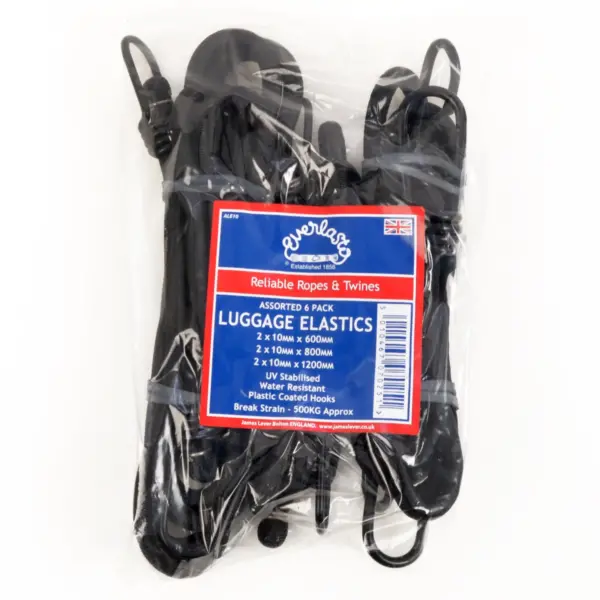 6 Pack - Assorted 10mm Luggage Elastics
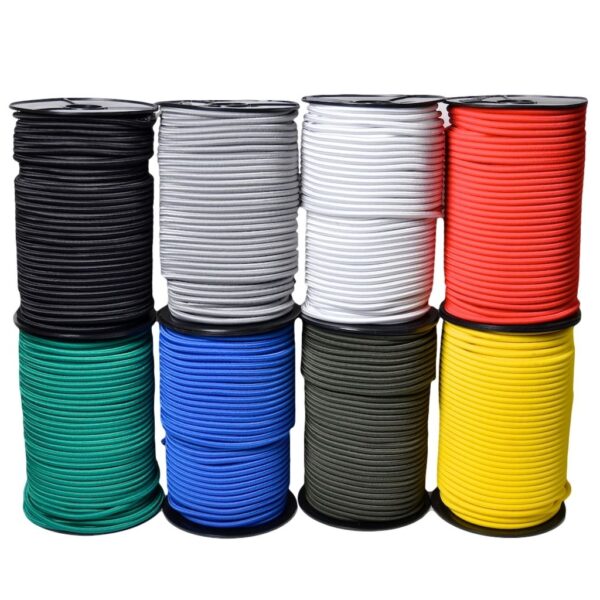 Lastoflex 8mm Bungee Cord
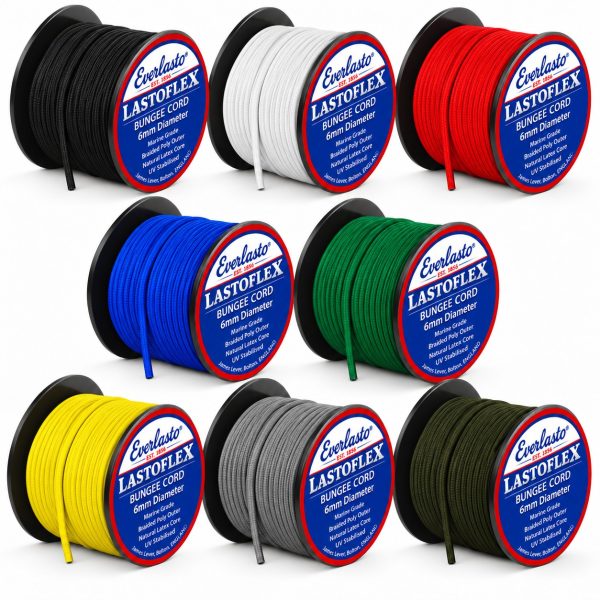 Lastoflex 6mm Bungee Cord